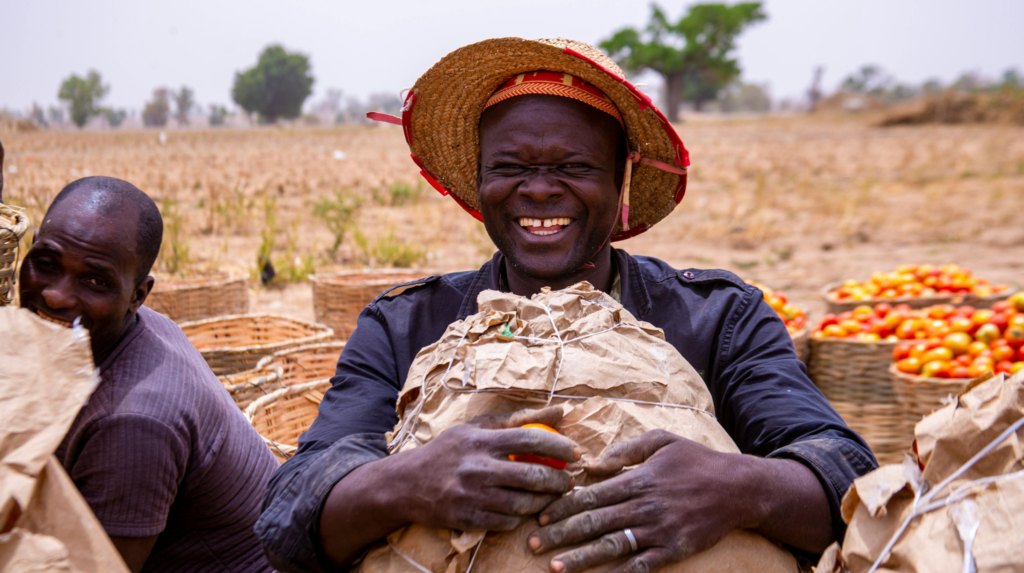
Farmers across Nigeria are increasingly adopting drought-resistant crops and sustainable farming methods as climate change disrupts food supply chains, raising concerns about long-term agricultural productivity and food security in the country.
Agricultural production in Nigeria has faced mounting pressure in recent years due to irregular rainfall patterns, prolonged dry seasons, and flooding in key farming regions. These climate-related disruptions have affected staple crops such as maize, rice, and sorghum, leading to supply shortages and rising food prices in local markets.
The Federal Ministry of Agriculture and Food Security has acknowledged the growing challenges, noting that climate variability is now a major factor influencing crop yields nationwide. According to ministry officials, efforts are underway to promote climate-resilient agricultural practices, particularly in northern states where drought conditions have become more frequent.
Farmers in states such as Kano, Kaduna, and Borno have begun shifting toward drought-tolerant crop varieties, including improved seeds for millet and sorghum. These crops require less water and are better suited to withstand harsh climatic conditions. Agricultural extension services have also intensified training programs to support farmers in adopting new techniques.
“We are encouraging farmers to use improved seed varieties and adopt water-efficient practices to reduce the impact of climate change,” a senior official from the ministry said. “This approach is essential to maintaining stable food production levels.”
In addition to crop adaptation, sustainable farming practices are gaining attention across several regions. Techniques such as crop rotation, organic fertiliser use, and conservation agriculture are being introduced to improve soil health and reduce environmental degradation. These practices are supported by both government initiatives and international development agencies working within Nigeria’s agricultural sector.
However, soil degradation remains a significant concern. Continuous cultivation, deforestation, and excessive use of chemical inputs have contributed to declining soil fertility in many farming communities. Experts warn that without immediate intervention, soil degradation could further reduce agricultural output and exacerbate food insecurity.
“Healthy soil is fundamental to sustainable agriculture,” an agricultural researcher at a Nigerian university stated. “If soil quality continues to decline, it will directly affect crop yields and the livelihoods of millions of farmers.”
Additional Context
Nigeria’s agriculture sector plays a critical role in the national economy, employing a large portion of the population and contributing significantly to GDP. Climate-induced disruptions to food production have broader implications, including increased reliance on food imports and heightened inflationary pressures.
In recent years, similar challenges have been observed across West Africa, where changing weather patterns have affected regional food systems. Nigeria’s response, including the adoption of resilient crops and sustainable practices, aligns with broader efforts across the continent to address climate-related agricultural risks.
Government agencies have also highlighted the importance of strengthening supply chains to ensure that food distribution remains efficient despite environmental disruptions. Investments in storage, transportation, and market access are being considered as part of a comprehensive strategy to stabilise the food system.
What Upcoming
As Nigeria continues to confront the effects of climate change on agriculture, the transition toward drought-resistant crops and sustainable farming methods is expected to play a central role in safeguarding food production. Ongoing policy support, farmer education, and soil restoration efforts will be critical in determining the resilience of the country’s agricultural sector in the years ahead.

I focus on telling stories that feel real and meaningful.
My writing highlights human experiences and cultural shifts.
I aim to keep every piece clear and easy to connect with.
I believe storytelling has the power to inspire and connect.