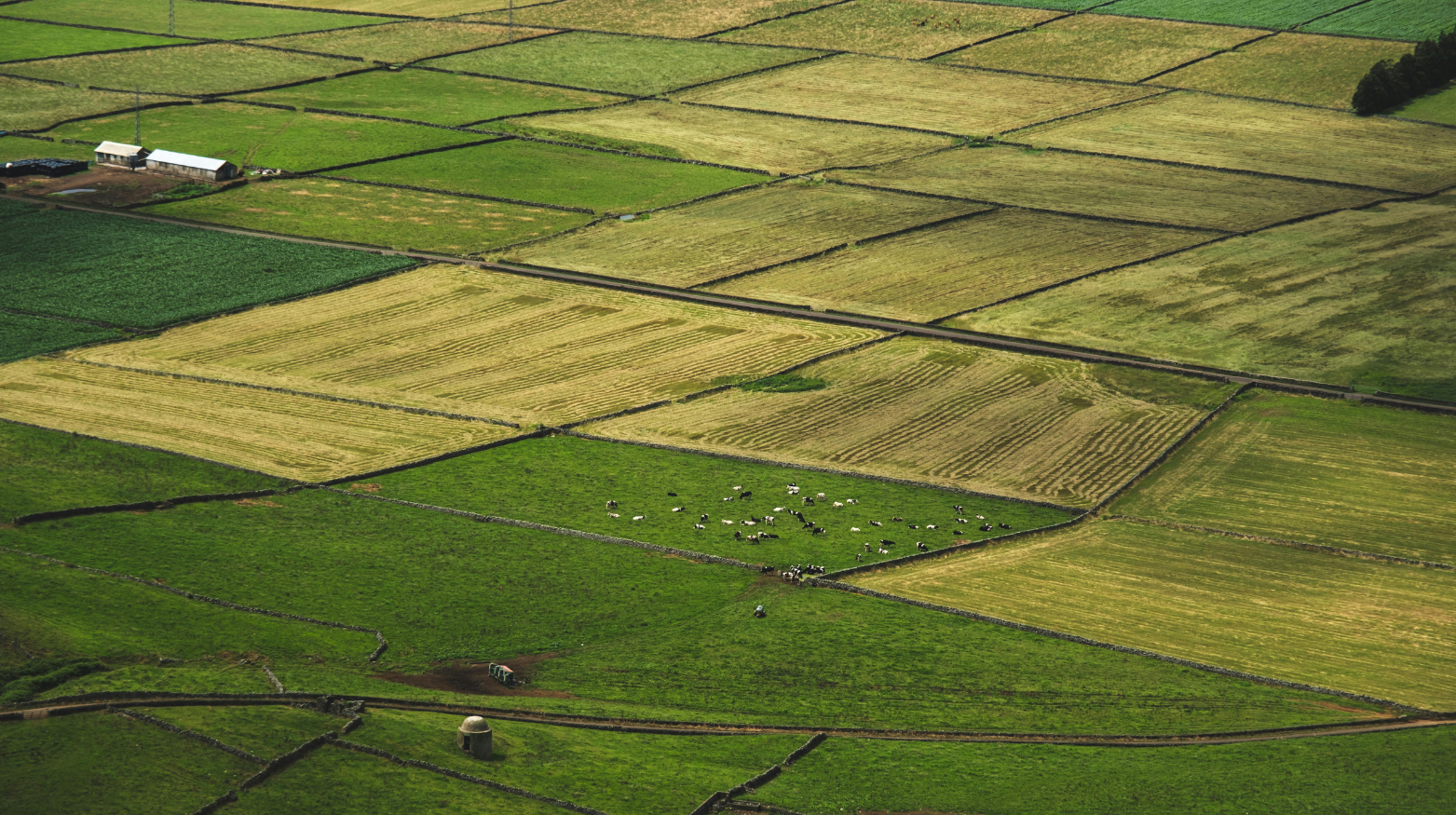
Climate change is increasingly disrupting global food supply chains, pushing farmers and policymakers to adopt drought-resistant crops and sustainable farming practices, while concerns grow over soil degradation threatening long-term agricultural productivity worldwide.
Climate Change Disrupts Food Supply Chains
Rising temperatures, erratic rainfall, and extreme weather events have begun to significantly impact agricultural output across multiple regions. Recent disruptions in grain production and transportation networks have highlighted vulnerabilities in global food systems, particularly in climate-sensitive regions such as South Asia and Sub-Saharan Africa.
Supply chain instability has led to fluctuating food prices and increased pressure on food-importing nations, with experts warning that continued climate volatility could further strain global food security.
Drought-Resistant Crops Gain Momentum
In response to water scarcity and prolonged drought conditions, farmers are increasingly turning to drought-resistant crop varieties. These crops, developed through advanced breeding techniques, require less water and are better suited to withstand harsh environmental conditions.
Countries including India, the United States, and several African nations have begun promoting such crops as part of national agricultural strategies. Agricultural scientists note that these resilient varieties could play a critical role in stabilizing food production in the coming decades.
Sustainable Farming Expands Across Europe
Across Europe, sustainable farming practices are gaining traction as governments and agricultural communities seek to reduce environmental impact while maintaining productivity. Techniques such as crop rotation, organic farming, reduced chemical usage, and precision agriculture are being widely adopted.
Policy support, including subsidies and environmental regulations, has encouraged farmers to transition toward more sustainable models that prioritize soil health, biodiversity, and reduced emissions.
Soil Degradation Raises Long-Term Concerns
Despite these advancements, soil degradation remains a significant global challenge. Intensive farming, deforestation, and overuse of chemical fertilizers have led to declining soil quality in many agricultural regions.
Experts warn that without urgent intervention, degraded soils could reduce crop yields and undermine future food production. Efforts to restore soil health through regenerative agriculture and conservation practices are increasingly being recognized as essential components of sustainable food systems.
Whats the Point
As climate change continues to reshape agriculture worldwide, the shift toward resilient crops and sustainable practices reflects a broader transformation in how food is produced. However, addressing soil degradation and strengthening supply chains will remain critical to ensuring long-term global food security.

I focus on telling stories that feel real and meaningful.
My writing highlights human experiences and cultural shifts.
I aim to keep every piece clear and easy to connect with.
I believe storytelling has the power to inspire and connect.